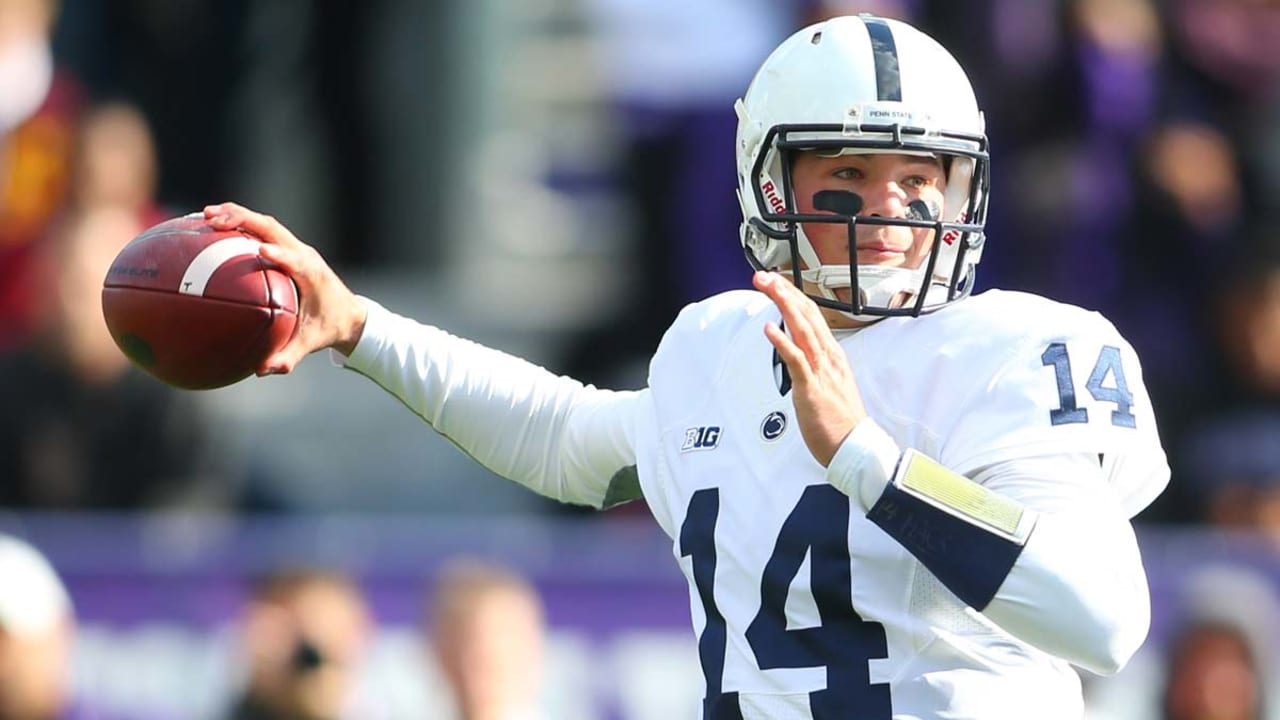
The NFL offseason is a period rife with speculation, negotiation, and high-stakes decisions that can shape a franchise's trajectory for years. For the New York Jets, recent weeks have been dominated by the ongoing contract saga surrounding veteran quarterback Ryan Fitzpatrick. After a surprisingly strong 2015 season that saw him lead the team to a 10-6 record, Fitzpatrick became a free agent, and the subsequent contract talks have been anything but smooth. However, recent developments suggest the Jets are taking significant steps to bridge the gap, reportedly raising their offer in a bid to secure their starting signal-caller.
The Standoff Continues: Ryan Fitzpatrick and the Jets
Ryan Fitzpatrick's journey with the New York Jets has been a rollercoaster. Arriving as a journeyman quarterback, he unexpectedly thrived in Chan Gailey's offense, throwing for a franchise-record 31 touchdowns. This breakout performance, coupled with his strong locker room presence, made him an invaluable asset. Yet, as a free agent, Fitzpatrick sought compensation commensurate with his production and market value, reportedly holding out for a deal around $15 million annually.
Initially, the Jets' offer fell short of Fitzpatrick's demands, reportedly tabling an offer worth approximately $8 million per year. This significant disparity led to a protracted stalemate, leaving fans and teammates alike anxious about the team's quarterback situation heading into the new season. The lingering uncertainty over Fitzpatrick's return cast a shadow over offseason preparations, with many questioning whether the team could replicate its previous success without its veteran leader.
Initial Demands vs. New Offers
According to reports from the "New York Post," the Jets have now presented a new, more enticing three-year contract offer to Fitzpatrick. This updated proposal would see the Harvard-educated quarterback earn a substantial $12 million in the first year alone. This represents a significant increase of $4 million from their previous offer and signals a clear intent from the organization to bring Fitzpatrick back into the fold. The revised offer suggests that the Jets are feeling the pressure to resolve the situation, recognizing Fitzpatrick's value to the team's immediate competitive window.
The willingness of the Jets to increase their financial commitment indicates a shift in their negotiation strategy, potentially influenced by external factors that underscore Fitzpatrick's importance beyond just his on-field statistics. This move brings the two sides closer to an agreement, though whether it meets Fitzpatrick's ultimate expectations remains to be seen.
Player Power: Marshall, Decker, and the Training Boycott
One of the most compelling aspects of this contract standoff has been the unprecedented public support Ryan Fitzpatrick has received from his teammates, particularly star wide receivers Brandon Marshall and Eric Decker. Their vocal advocacy for Fitzpatrick highlights his crucial role not just as a passer, but as a leader and cultural cornerstone within the Jets' locker room. This player solidarity adds a unique dynamic to modern NFL negotiations, demonstrating the influence teammates can wield in high-stakes situations.
Brandon Marshall, who enjoyed a career resurgence playing alongside Fitzpatrick, has been unwavering in his support, publicly urging the Jets to sign his quarterback. However, it was Eric Decker who took a more direct and noticeable stand. Decker, also a key target for Fitzpatrick, went so far as to skip the first three voluntary training sessions of the offseason. This symbolic boycott sent a clear message to the Jets' front office about the seriousness of the situation and the value his teammates place on Fitzpatrick's return.
The Interplay of Agents and Advocacy
Decker's actions were not merely an emotional display; they also had a strategic underpinning. Both Decker and Fitzpatrick are represented by the same agency, Creative Artists Agency (CAA). This shared representation likely amplified the impact of Decker's boycott, as it could be interpreted as a coordinated effort to pressure the team. Such tactics, while uncommon, underscore the intricate web of relationships and interests that influence contract negotiations in professional sports. The optics of star players publicly advocating for a teammate and even boycotting voluntary activities can create significant pressure on a franchise, pushing them towards a resolution.
The Jets' revised offer, coming on the heels of these public endorsements and Decker's boycott, strongly suggests that the team is reacting to the palpable desire within the locker room to retain Fitzpatrick. This situation offers a fascinating case study in how player power can influence front-office decisions, showcasing a dynamic that goes beyond traditional contract talks. For a deeper dive into how this player advocacy shaped the Jets' approach, explore this related article: Jets Ryan Fitzpatrick Contract: Decker's Boycott Sparks New Offer.
Beyond the Quarterback Carousel: The Rise of Another Fitzpatrick Talent
While one Fitzpatrick dominates headlines for contract negotiations, another Fitzpatrick has been generating significant buzz in a completely different realm of the NFL landscape: the draft. Minkah Fitzpatrick, a standout defensive back from the University of Alabama, represents the new breed of versatile talent that NFL teams covet. His name, while sharing a surname with the Jets' quarterback, signifies a distinct and equally impactful presence in the league's future.
Minkah Fitzpatrick is not merely a player; he's a defensive weapon. His former position coach at Alabama, Derrick Ansley, succinctly described him as not being drafted "as a corner or a drafted as a safety," but "as a football player." This sentiment is echoed by legendary coach Nick Saban, who lauded Fitzpatrick's "all the right stuff" – a combination of immense ability, unparalleled work ethic, and a relentless drive for success. This kind of praise from such esteemed figures underlines the extraordinary potential Minkah brings to the professional ranks.
Minkah Fitzpatrick: The Ultimate Defensive Swiss Army Knife
In three seasons with the Crimson Tide, Minkah Fitzpatrick started 38 games, contributing significantly to a team that reached three national title games and won two. His statistics speak volumes: 60 tackles (8 for a loss), 8 pass breakups, 3 quarterback hurries, a blocked kick, and a forced fumble. Most impressively, he holds the program record for most career interception returns for a touchdown (four), showcasing his incredible playmaking ability.
What truly sets Minkah apart, and makes him a top-10 draft prospect, is his extraordinary versatility across the secondary. He began his collegiate career as a STAR (Alabama's nickelback equivalent) and seamlessly transitioned to safety when Eddie Jackson suffered a season-ending injury in 2016, earning All-America honors in the process. He can play cornerback, safety, or nickelback, often lining up in multiple positions within a single drive.
A prime example of his multifaceted skill set came in a critical championship game sequence: he blitzed off the edge, then reversed course to chase down a running back. Moments later, he lined up in the box, then shifted to safety to trip up another ball-carrier, finally ending the sequence by shutting down a slot receiver. Three plays, three different positions, three different jobs – a testament to his rare physical tools, intellect, and willingness to adapt. This versatility makes him a foundational piece for any NFL defense looking for a game-changer in the secondary. To learn more about his incredible positional flexibility, check out this article: Minkah Fitzpatrick's NFL Draft Versatility: Safety, Corner, or Both?.
Strategic Implications for NFL Teams: Balancing Present and Future
The contrasting sagas of Ryan and Minkah Fitzpatrick offer valuable insights into the multifaceted challenges and opportunities facing NFL franchises. For teams like the Jets, navigating veteran contracts requires a delicate balance of financial prudence, locker room morale, and competitive aspirations. The public support for Ryan Fitzpatrick underscores the intangible value of a proven leader and the potential pitfalls of alienating key players. Teams must weigh the cost of a contract against the cohesion and confidence a returning veteran brings, especially one who has earned the trust of his teammates.
Key Takeaways for Franchise Management
- Understanding Intangible Value: While statistics are important, a player's leadership, locker room presence, and chemistry with key teammates (like Marshall and Decker for Ryan Fitzpatrick) can be invaluable. Ignoring these factors can lead to internal strife and hinder team performance.
- Player Empowerment: The Ryan Fitzpatrick situation highlights a growing trend of player advocacy. Teams should be prepared to address internal lobbying efforts and understand that player solidarity can impact public perception and negotiation leverage.
- The Premium on Versatility: On the flip side, Minkah Fitzpatrick exemplifies the modern NFL's demand for versatile, multi-positional athletes. Teams evaluating draft prospects should prioritize players who can contribute in multiple roles, offering defensive coordinators more flexibility and unpredictability.
- Balancing Immediate Needs with Long-Term Vision: While the Jets focus on their present quarterback situation, every team in the league is also scouting future talent. Investing in a player like Minkah Fitzpatrick, a top-tier jets safety fitzpatrick-type talent in the broader NFL context, who can play safety, corner, or nickel, ensures long-term defensive stability and adaptability, regardless of specific team needs like those of the New York Jets at the safety position.
- Adapting to Evolving Schemes: The ability of a defensive back to excel in various alignments and coverages is crucial in an increasingly pass-heavy league. Players like Minkah are not just plug-and-play; they are scheme-changers.
For any NFL team, including the Jets, finding the right blend of veteran leadership and transformative young talent is paramount. While the Jets resolve their quarterback dilemma, they, along with the rest of the league, are constantly evaluating how to integrate dynamic players who can elevate their defense. A highly versatile player, capable of excelling as a safety, cornerback, or nickelback, presents a unique opportunity for any franchise looking to strengthen its secondary for years to come.
The contrasting stories of Ryan Fitzpatrick's contract negotiations with the Jets and Minkah Fitzpatrick's emergence as a premier defensive prospect underscore the dynamic nature of the NFL. While Ryan Fitzpatrick's saga highlights the complexities of retaining veteran talent amidst player advocacy, Minkah Fitzpatrick embodies the future of defensive football: an incredibly versatile player capable of excelling in multiple secondary positions, including a top-tier safety. For the New York Jets, securing their veteran quarterback is a critical step towards their immediate goals. Simultaneously, the broader NFL continues to evolve, constantly seeking out players like Minkah Fitzpatrick who can fundamentally transform a defense. Both "Fitzpatricks" represent significant, albeit distinct, chapters in the ongoing narrative of professional football, each influencing the strategic decisions of teams across the league.