The NFL offseason is a crucible of negotiations, strategic maneuvers, and player advocacy, often setting the stage for a team's fortunes in the upcoming season. For the New York Jets, few sagas have captured more attention than the protracted contract talks with quarterback Ryan Fitzpatrick. What began as a typical standoff escalated into a full-blown team-wide statement, dramatically influencing the Jets' revised offer. This dynamic interplay of front-office strategy and player solidarity underscores the human element at the heart of professional sports, while simultaneously drawing attention to other "Fitzpatricks" whose versatile defensive prowess could hypothetically transform a team's secondary – a potential conversation for any franchise, including the Jets, looking for that elusive versatile safety talent.
The Ryan Fitzpatrick Saga: A Pivotal Standoff for the Jets
The contract negotiations between the New York Jets and their veteran quarterback, Ryan Fitzpatrick, became one of the most closely watched stories of the NFL offseason. Fitzpatrick, fresh off a career-best season where he led the Jets to a surprising 10-6 record, found himself a free agent and in high demand – or so he thought. The initial offers from the Jets were reportedly underwhelming, falling significantly short of Fitzpatrick's perceived market value and his desire for a deal reflecting his impactful 2015 performance.
Initially, the Jets' offer to Fitzpatrick was a modest $8 million per year, a figure that the quarterback, seeking around $15 million, quickly rejected. This disparity created a stalemate that dragged on for weeks, fueling speculation and anxiety among the Jets' fanbase. The team's offensive success the previous season was undeniably tied to Fitzpatrick's leadership and on-field chemistry with his receivers. Losing him would necessitate a complete recalibration of their offensive strategy, potentially derailing any momentum built.
The turning point in these stalled negotiations came not from a new financial projection or an ultimatum from the front office, but from a powerful display of team unity. Key offensive players, most notably star wide receivers Brandon Marshall and Eric Decker, publicly championed Fitzpatrick's cause. Their vocal support highlighted the critical role Fitzpatrick played not just as a statistical leader, but as a cultural keystone within the locker room. This pressure from within the team demonstrated an invaluable aspect of modern NFL team building: player relationships and camaraderie can hold as much weight as raw talent or salary cap considerations.
Decker’s actions went a step further, crossing the line from verbal advocacy to a symbolic protest. He chose to skip the initial three voluntary training sessions, a clear and unmistakable signal of his discontent with the ongoing contract impasse. The reason for Decker’s staunch support was clear: he and Fitzpatrick shared the same agent, creating a unified front in negotiations. This unprecedented boycott sent a clear message to the Jets' management: the players believed in Fitzpatrick, and they wanted him back. For a deeper dive into how these negotiations unfolded, you can read more about how the Jets raised their offer to Ryan Fitzpatrick amidst the contract standoff.
The collective pressure, particularly Decker's bold move, appears to have resonated with the Jets' hierarchy. In response to this strong show of solidarity, the team reportedly presented Fitzpatrick with a new, enhanced offer: a three-year contract that would pay him $12 million in the first year – a substantial $4 million increase from their previous proposal. This revised offer signaled a clear recognition of Fitzpatrick's value, not just in terms of his individual performance, but as a linchpin for the entire offensive unit and team morale. It underscored the fact that in the NFL, a quarterback’s worth is often measured by more than just statistics; it’s also about leadership, chemistry, and the unwavering support of his teammates.
Beyond the Huddle: The Unseen Influence of Teammate Solidarity
The Ryan Fitzpatrick contract situation offered a compelling look into the often-underestimated power of player solidarity in professional sports. While agents and general managers typically dominate contract talks, the public and private endorsements from teammates can significantly shift the dynamics. When prominent players like Brandon Marshall, a respected veteran, and Eric Decker, a top-tier receiver with a direct impact on Fitzpatrick's on-field success, openly advocate for a teammate, it sends a powerful message. It validates the player's importance beyond statistics, painting a picture of someone crucial to the team's internal fabric and potential for success.
Eric Decker’s decision to boycott voluntary workouts was a calculated risk, but one that ultimately paid dividends. Voluntary activities are just that – voluntary – but absences, especially by star players, inevitably draw attention and can be perceived as a lack of commitment. However, when such an absence is clearly tied to supporting a fellow player, it transforms into a powerful act of loyalty and a strategic pressure point on management. This type of action can put a front office in a difficult position: risk alienating key players and damaging locker room morale, or acquiesce to the collective will to maintain harmony and focus. It’s a testament to the belief players had in Ryan Fitzpatrick that they were willing to take such a stance.
For any team, cultivating an environment where players feel valued and supported is crucial. The Jets' response to the player advocacy for Fitzpatrick demonstrated an understanding that team chemistry and player morale are invaluable assets. Ignoring such a strong internal plea could have fractured the locker room, impacting performance far beyond the quarterback position. This episode serves as a powerful reminder that player leadership and advocacy are vital components of a successful NFL franchise, capable of influencing decisions that might otherwise be purely financial or analytical.
"Fitzpatrick" Versatility: Exploring the NFL's Defensive Dynamos
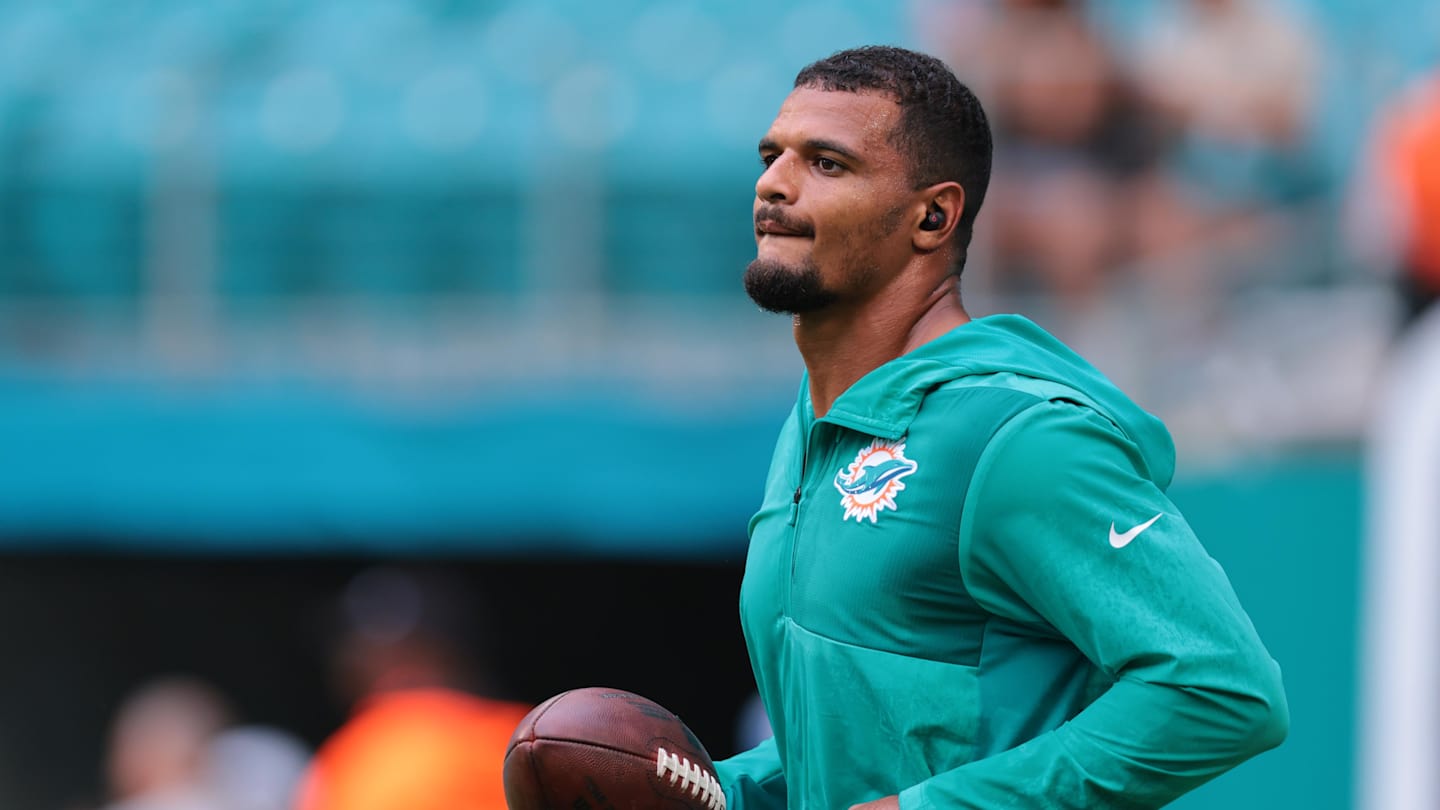
While the Jets were embroiled in contract drama with their offensive leader Ryan Fitzpatrick, the NFL landscape is constantly evolving, with teams always on the hunt for talent that can reshape their defensive identity. This brings us to another "Fitzpatrick" making waves in the league: Minkah Fitzpatrick. Often discussed for his unparalleled versatility, Minkah Fitzpatrick embodies the modern defensive back, a player who defies traditional positional labels and offers an invaluable asset to any NFL team seeking to fortify its secondary. Imagining the potential impact of a "jets safety fitzpatrick" like Minkah on the New York defense, given his unique skill set, certainly sparks compelling discussion.
Minkah Fitzpatrick, a product of the Alabama Crimson Tide football program under Nick Saban, entered the NFL draft heralded as a "pure football player" rather than just a cornerback or a safety. His former position coach at Alabama, Derrick Ansley, succinctly put it, "He's not going to be a guy that's going to be drafted as a corner or a drafted as a safety. He's going to be drafted as a football player." This sentiment perfectly captures the essence of a player who can seamlessly transition between multiple roles within the secondary.
Throughout his illustrious college career, Fitzpatrick started 38 games, showcasing his incredible adaptability. He began his journey at "STAR," Alabama's unique nickelback position, demonstrating his acumen in covering slot receivers and blitzing off the edge. When a teammate suffered a season-ending injury in 2016, Fitzpatrick effortlessly shifted to safety, earning All-America honors in the process. His ability to perform at an elite level across different positions speaks volumes about his football IQ, physical prowess, and relentless work ethic.
Minkah's statistics underscore his impact: 60 tackles (8 for a loss), 8 pass breakups, 3 quarterback hurries, a blocked kick, and a forced fumble in his final season alone. What truly sets him apart, however, is his knack for game-changing plays, holding the program record for most career interception returns for a touchdown (four). Standing at 6-foot-1 and 202 pounds, he possesses the ideal blend of size, speed, and strength to contend with various offensive threats. During one sequence in a championship game, he lined up in the box, then at safety, and finally shut down a slot receiver – all in three consecutive plays, demonstrating three different positions and responsibilities. This kind of dynamic flexibility is precisely what a team like the Jets might covet to build an elite and adaptable secondary, allowing them to counter the diverse offensive schemes prevalent in today's NFL.
Why a Versatile Safety is Invaluable in Today's NFL
In an era dominated by spread offenses, dual-threat quarterbacks, and sophisticated passing schemes, the demand for versatile defensive backs has never been higher. A player like Minkah Fitzpatrick, capable of playing strong safety, free safety, slot corner, or even outside corner, offers defensive coordinators unparalleled flexibility. This allows defenses to disguise coverages, match up effectively against various offensive personnel, and create advantageous blitz packages without sacrificing coverage integrity. Such a player can cover tight ends, shadow slot receivers, provide run support in the box, and patrol the deep middle of the field – all within the same game. This strategic advantage enables a defense to be truly multiple, adapting on the fly to offensive adjustments and keeping opponents guessing. For a team striving to build a championship-caliber defense, the ability to deploy a "swiss army knife" like a versatile safety is no longer a luxury, but a necessity.
The Road Ahead: What This Means for the Jets and Beyond
The resolution of Ryan Fitzpatrick's contract dispute was a critical moment for the New York Jets. Securing their starting quarterback, albeit after considerable team pressure, allowed the franchise to maintain continuity on offense and preserve the locker room harmony fostered by their players. This episode provided a stark reminder that in professional sports, the value of a player extends beyond their individual stat line; it encompasses their leadership, their chemistry with teammates, and their overall impact on team culture. The Jets’ willingness to revisit their offer underscores the intangible value of player advocacy and team unity, ultimately leading to an outcome that appeased both the player and the collective will of the locker room.
Looking broadly at the NFL, the narrative around both Fitzpatricks – Ryan's contract drama and Minkah's defensive versatility – highlights different facets of team building. While Ryan's situation was about retaining an established, culture-setting quarterback, Minkah's story is about the future: the evolving demands of the game and the premium placed on adaptable, multi-talented defensive players. Any franchise, including the Jets, looking to build a resilient and competitive roster in the modern NFL must consider both dynamics. They need leaders and playmakers on offense, but also defensive stalwarts who can nullify the ever-increasing sophistication of opposing attacks. The pursuit of a dynamic defensive talent, like a hypothetical "jets safety fitzpatrick" in Minkah's mold, represents a strategic investment in long-term defensive dominance, offering tactical advantages that can literally change the outcome of games.
In conclusion, the NFL offseason is a complex tapestry woven with financial negotiations, player aspirations, and team dynamics. The Ryan Fitzpatrick contract saga with the New York Jets perfectly illustrated how player solidarity can powerfully influence outcomes, reshaping a team's future in the process. Concurrently, the discussion around Minkah Fitzpatrick reminds us of the paramount importance of positional versatility and elite defensive talent in today's rapidly evolving NFL landscape. Both stories, in their own ways, underscore the intricate balance between individual value, collective strength, and strategic foresight necessary for sustained success in professional football.